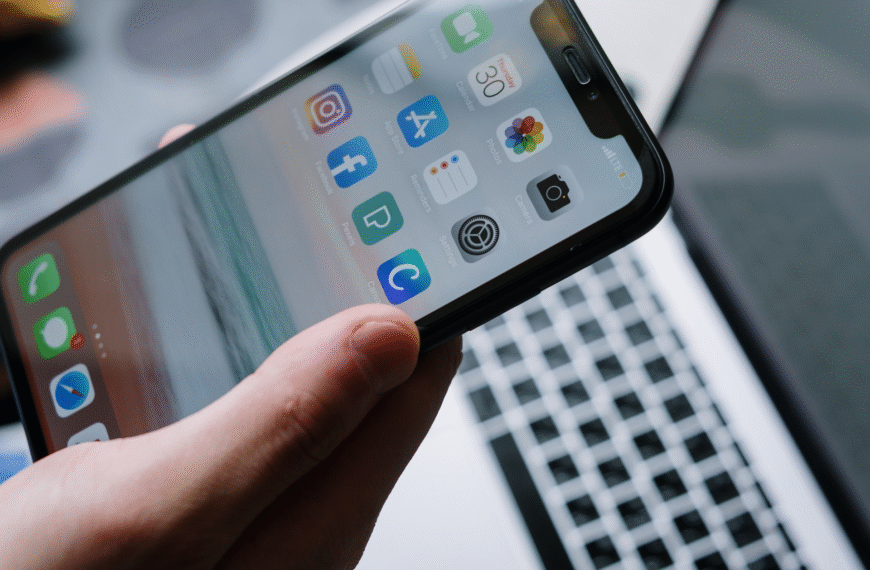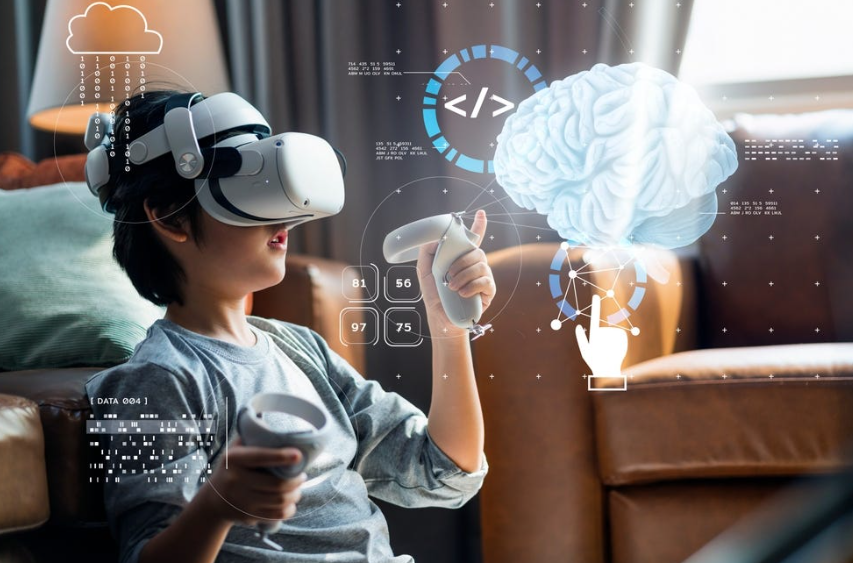
Augmented Reality (AR) is reshaping how individuals interact with their environments. By integrating digital elements, it transforms education, healthcare, retail, and travel. In classrooms, AR offers interactive learning experiences that deepen comprehension. In healthcare, it enhances visualization for procedures and consultations. Retailers use AR for virtual fittings, bridging online and offline shopping. Travel enthusiasts benefit from enriched narratives tied to locations. This convergence of digital and physical realms raises intriguing questions about future applications and implications.
Transforming Education With Interactive Learning
As educational institutions increasingly integrate technology into their curricula, augmented reality (AR) emerges as a transformative force in interactive learning.
Revolutionizing Healthcare Through Enhanced Visualization
While the healthcare sector traditionally relied on two-dimensional imaging techniques, the advent of augmented reality (AR) is transforming medical visualization into a more interactive and intuitive experience.
This technology facilitates virtual consultations, allowing patients to engage with their healthcare providers in innovative ways.
Additionally, AR enhances immersive training for medical professionals, enabling them to practice complex procedures in a safe, controlled environment.
See also: How Algorithms Shape Online Content
Retail Innovation: Bridging the Gap Between Online and Offline
Augmented reality (AR) is revolutionizing the retail landscape by seamlessly integrating online and offline shopping experiences.
With features like virtual fitting, customers can try on products from the comfort of home, enhancing decision-making.
This technology fosters immersive shopping environments, allowing consumers to visualize items in real life, bridging the gap between digital convenience and tactile exploration, ultimately enriching their purchasing journey.
Enriching Travel Experiences With Contextual Information
Travel experiences are greatly enriched when contextual information is seamlessly integrated through augmented reality applications.
By transforming ordinary sites into augmented landmarks, travelers gain access to immersive storytelling that deepens their understanding of history and culture.
This technology empowers individuals to explore destinations more freely, fostering a sense of connection and adventure, ultimately enhancing the overall travel experience and encouraging deeper engagement with the world.
Conclusion
In conclusion, Augmented Reality serves as a modern-day philosopher’s stone, transmuting ordinary experiences into extraordinary ones across various sectors. By enhancing education, revolutionizing healthcare, innovating retail, and enriching travel, AR not only bridges the digital and physical realms but also fosters deeper engagement and understanding. As technology continues to evolve, the potential of AR to transform our interactions with the world is boundless, promising a future where reality is seamlessly enriched with digital insights.